Two-Week Romania Itinerary: 13 Places To Visit for First Timers
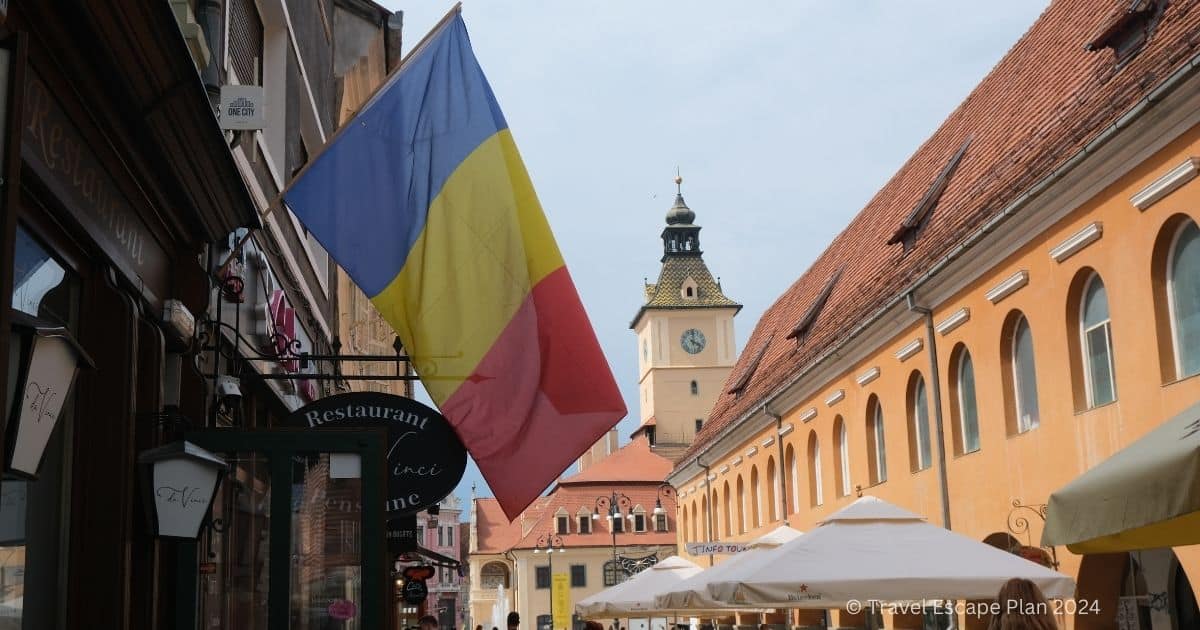

Planning your perfect Romania itinerary?
We hired a car and spent two weeks exploring Romania in the Summer. Below is our Romania itinerary from start to finish. Keep reading to find out about the other places we discovered along the way as well as our road trip travel tips.
But first, is Romania worth visiting?
Yes! We fell in love with Romania – what a beautiful country.
The Transylvanian region is like a fairytale come to life with its mediaeval castles, charming villages and the occasional horse-drawn cart.
Also, did you know that one-third of the country is covered in woodland? This means that whichever city you’re in, you’re never too far from nature. A hiker’s paradise.
Now, let’s dive in!
Our Two-Week Romania Itinerary
Two-Week Romania Itinerary:
Day 1-2: Bucharest
Day 3: Sinaia Day Trip
Day 3-5: Brasov
Day 6: Transfagarasan Highway
Day 7-8: Sibiu
Day 9: Biertan & Sighisoara
Day 10-13: Maramures
Day 14-16: Cluj-Napoca
1. Bucharest
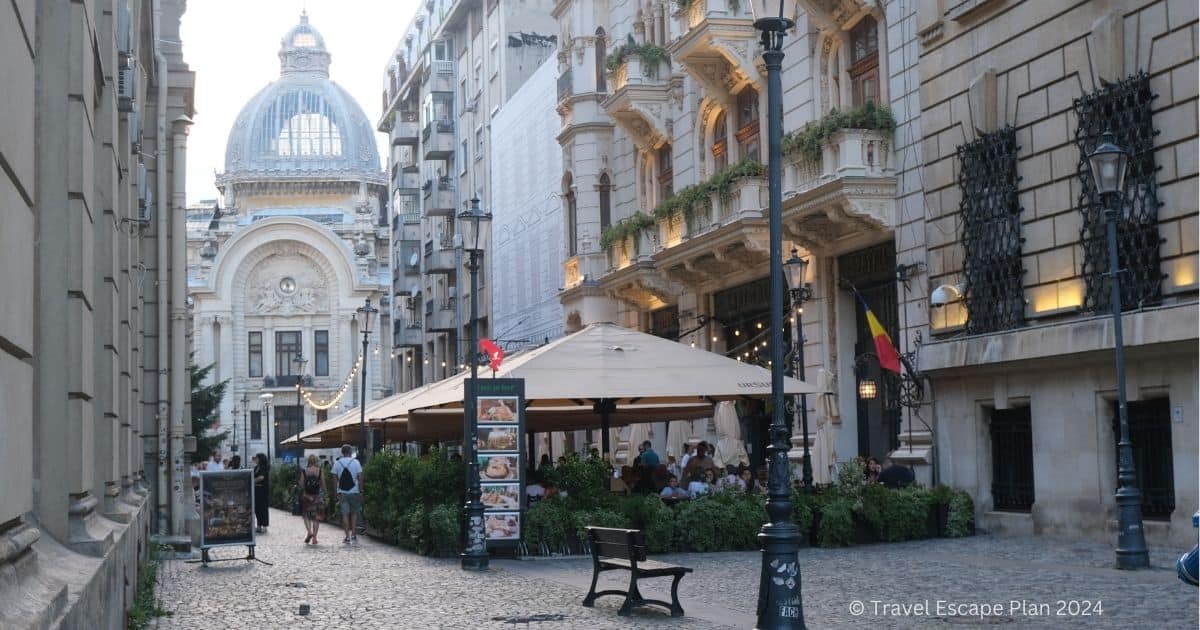
We started our journey in Bucharest.
Romania’s Capital City is nicknamed “the Paris of the East”, but don’t come expecting Paris or you will be disappointed.
There are hints of French influence in the architecture as you walk along Victory Avenue, but it wasn’t the prettiest city we saw on this list.
Still, I encourage you to come with an open mind.
We learnt so much about Romania’s volatile history while we were there.
Bucharest is a actually city that’s on its way up – slowly rebuilding itself and finding its identity after the 1989 Romanian Revolution.
We were only in Bucharest for 2 days, but the city was so much bigger than we thought and I regret not staying longer.
👉🏼 15 Things To Do In Bucharest, Romania’s Underrated Capital 👈🏼
2. Sinaia
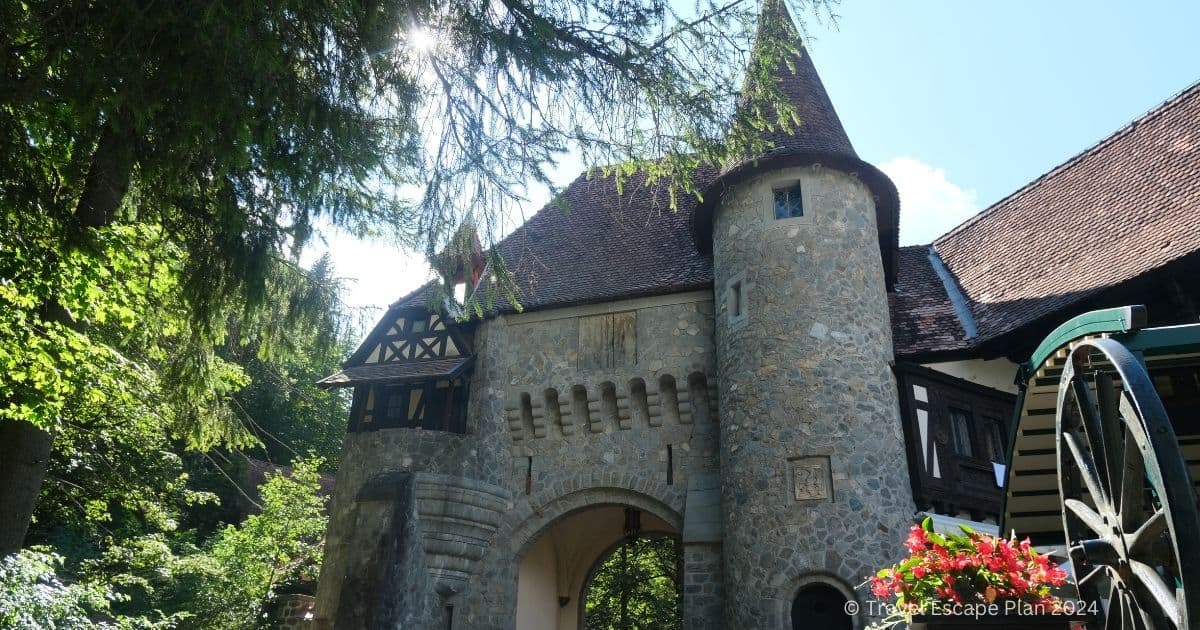
We picked up our rental car from Bucharest airport and drove 2 hours north to Sinaia, also known as the “Pearl of the Carpathians.”
The main attraction here is Peles Castle. It was built in the late 1800s as a summer residence for the first King of Romania. Now, it’s a museum for the public to enjoy.
Sinaia is often crowded with day-trippers from Bucharest or Brasov, and I can see why.
The whimsical architecture together with the surrounding mountains creates a magical atmosphere that can only be fully appreciated in person. I honestly felt like I had entered another realm on earth!
We only stopped for lunch and to see the castle, but I wished we had stayed a few nights to enjoy some hikes in such a beautiful area.
In Winter the whole town becomes a ski resort, so if you’re after some snow fun, visit between December to March.
3. Brasov
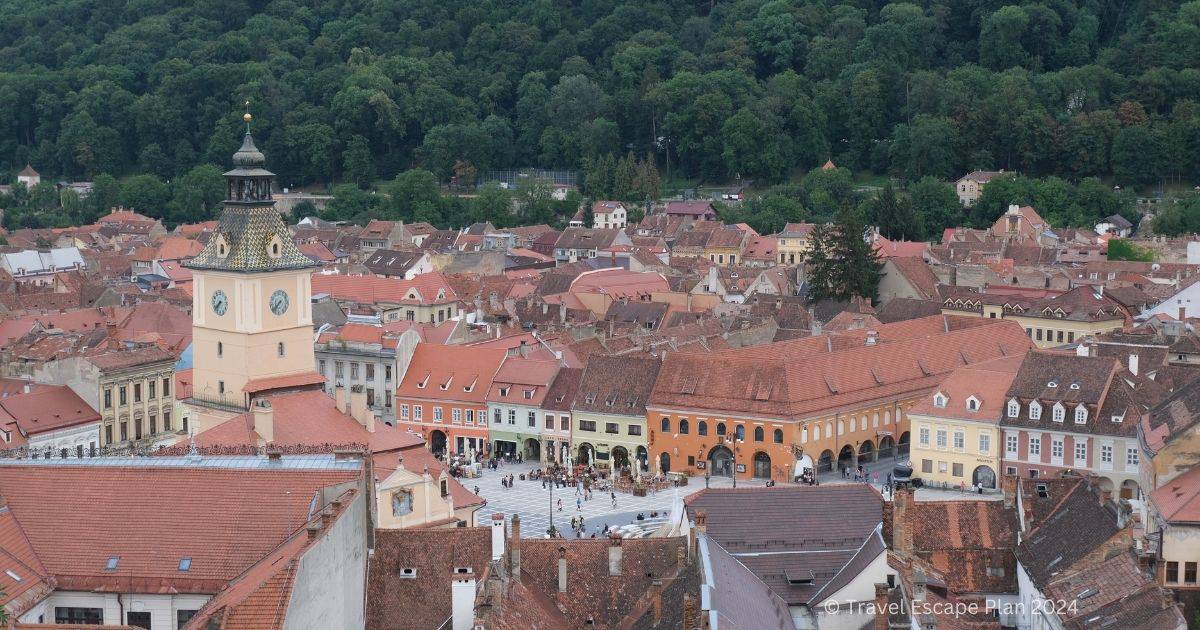
After Sinaia, we drove for another hour to my favourite place in Romania: Brasov.
Brasov is the “Gateway to Transylvania”, and was the first fortified medieval city we visited.
We loved Brasov for its convenience. Its location at the base of Tampa Mountain means that some hiking trails start minutes away from the city centre!
You’re also spoilt for choice when it comes to places to eat. We always chose a restaurant or cafe with an outdoor terrace (and there are many) because the city itself is very charming and colourful.
We were in Brasov for 3 days and discovered that there’s plenty to do in and the surrounding area.
⚡️ TIP: Brasov is the ideal base for visiting the famous Bran Castle (aka Dracula’s Castle) because it’s only a 30-minute drive away. We don’t like crowds and skipped it, but we did manage to get a glimpse of the castle as we drove to our next stop, so keep your eyes peeled.
👉🏼 19 Things To Do In Brasov, My Favourite City In Romania 👈🏼
4. Transfagarasan Highway
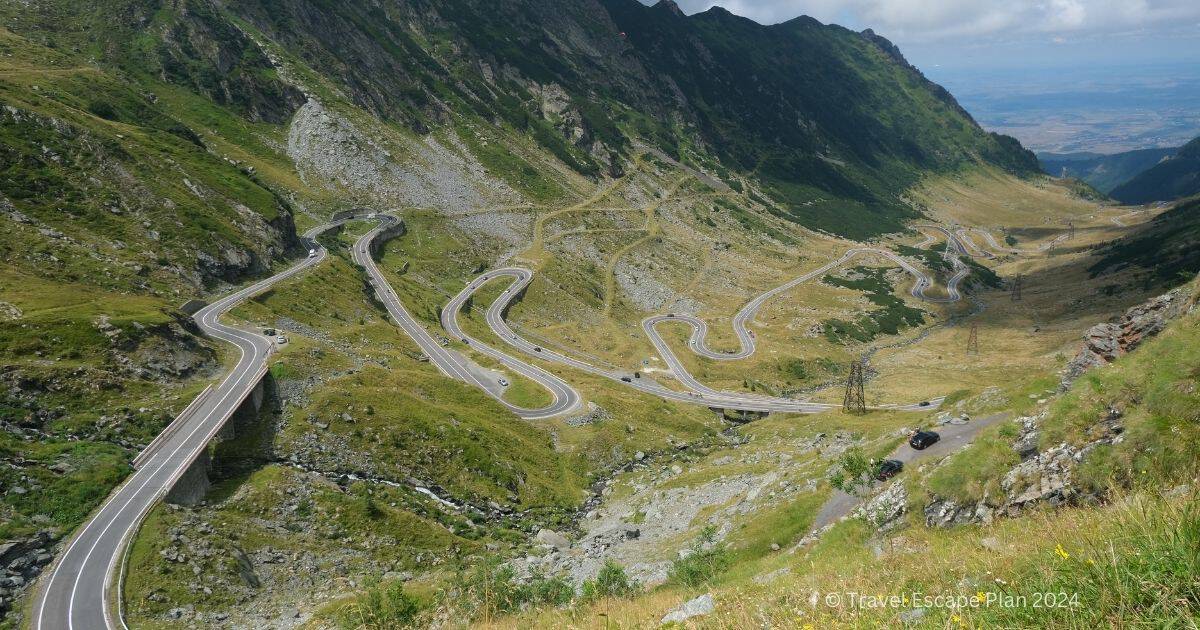
The Transfagarsan Highway is a 90 kilometre stretch of road between Curtea de Arges and Sibiu. It winds through the Fagaras Mountains offering breathtaking views at every turn.
You can start at either end, but because we were headed north, we made the 3-hour journey from Brasov to the Curtea de Arges.
We stayed in Curtea de Arges overnight so that we could start the drive at 7am to avoid traffic.
We recommend visiting between June and October when the entire highway is open. During Winter, part of it closed due to snowy weather conditions.
👉🏼 Transfagarasan Highway: Everything You Need To Know 👈🏼
5. Sibiu
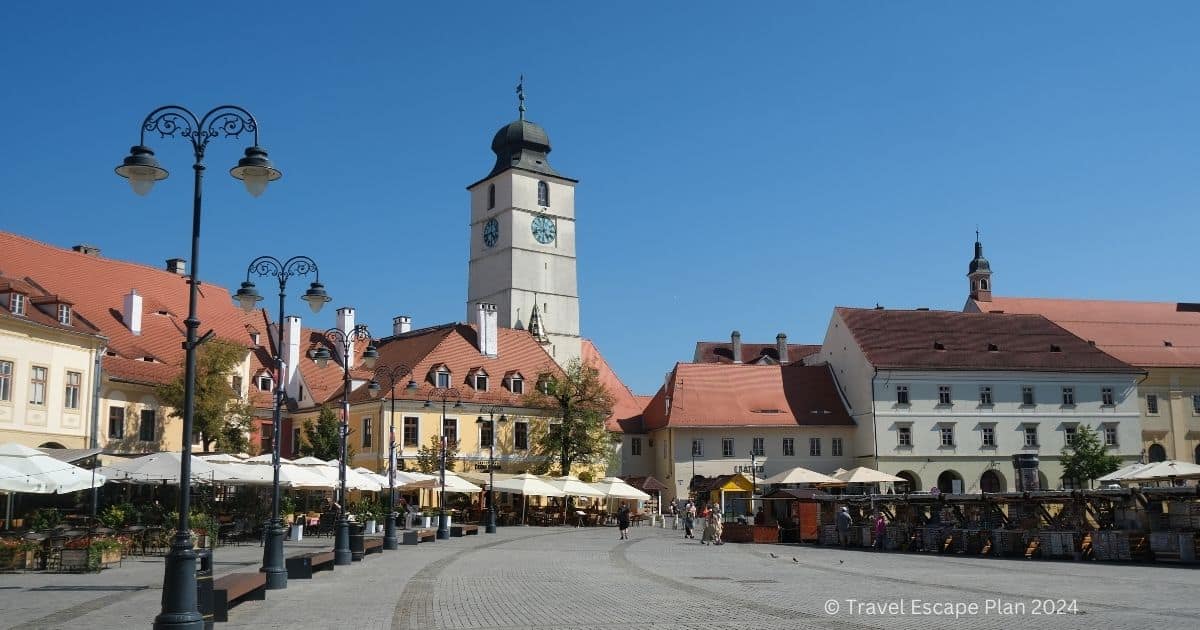
The Transfagarasan Highway led us to our second fortified medieval city in Transylvania: Sibiu.
As you wander the cobblestoned streets, you’ll notice many of the houses here have attic windows that resemble eyes, hence the nickname “the city with eyes”.
Sibiu is also the “cultural heart of Romania”. During Summer, there are events planned every weekend celebrating everything from live music, to arts and theatre, to food and even sports.
We stumbled upon a heavy metal festival in the main square, which we thought was quite funny since Sibiu gives off more of a classical music vibe. But this just shows how diverse the events can be.
⚡️ TIP: Download the Sibiu City App to find out what’s happening in the city during your visit.
We found accommodation in Sibiu to be more expensive than the rest of the country. We ended up staying in the neighbouring town of Cisnadie which is only a 15-minute drive away and has just as much charm (and eyes).
👉🏼 10 Things To Do In Sibiu, Romania’s Capital of Culture 👈🏼
6. Sighisoara
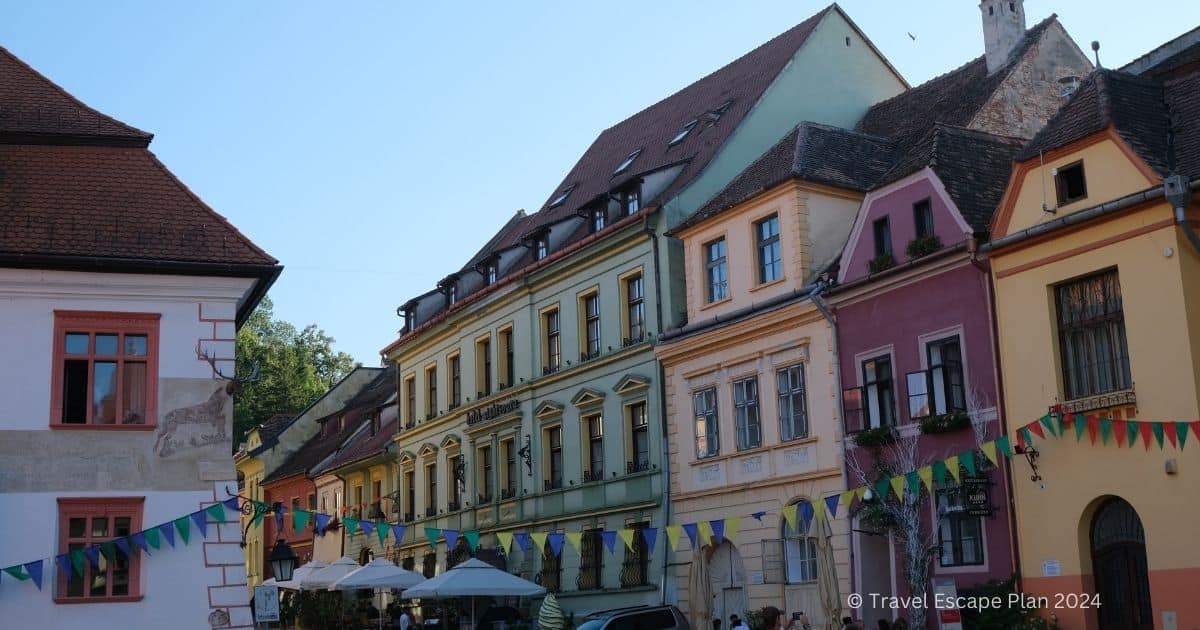
After 2 days in Sibiu, we made our way to Sighisoara.
⚡️ TIP: To break up the 90-minute journey, we stopped by Biertan for lunch. Here, you’ll find a 500-year-old fortified church on a hill with a lovely view of the surrounding vineyards.
Unlike Brasov and Sibiu, Sighisoara is the only one – out of the seven major medieval citadels in Transylvania – that has UNESCO World Heritage status.
The majority of the city’s original defense wall, along with 9 of the 14 original watchtowers, have stood the test of time for more than 600 years!
Sighisoara definitely felt the most medieval of all the cities we visited.
It’s also the birthplace of Vlad the Impaler, aka the “real” Dracula. The city capitalises on this in a fun and cheesy way – you can drink “vampire wine” in the house where he was born, now a restaurant.
We stayed in Sighisoara for one night. The city is very small, but there’s some nice hikes and day trips you can do from the area. I would not have minded staying longer.
👉🏼 12 Things To Do In Sighisoara, Romania’s Real-Life Fairytale 👈🏼
7. Maramures
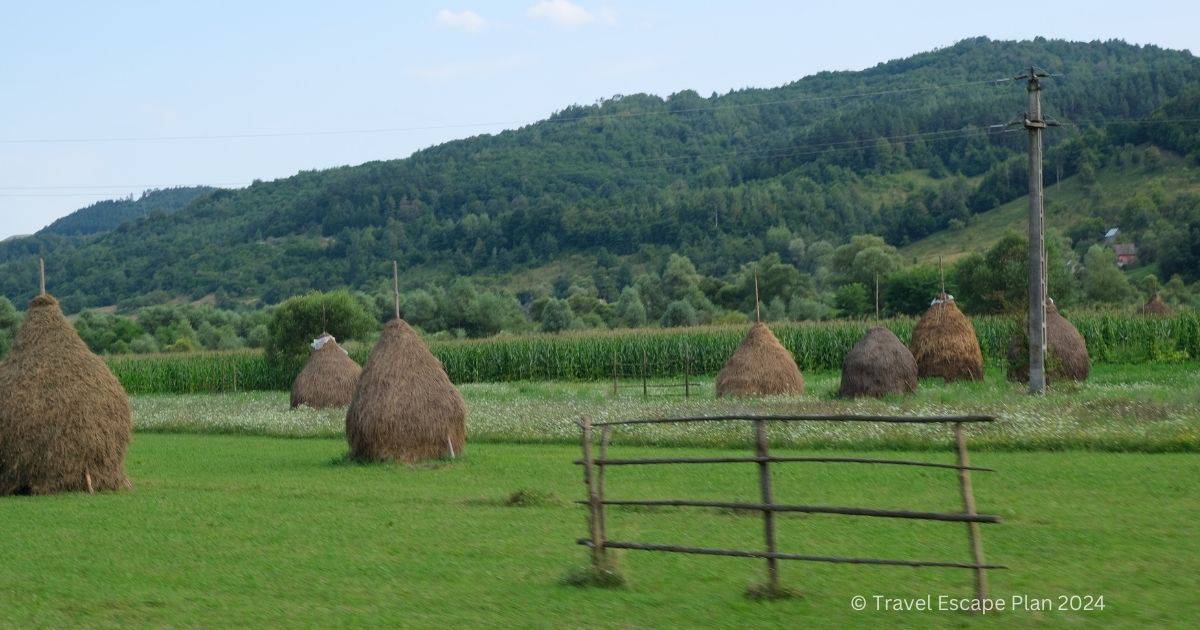
Next, we left Transylvania and drove 4 hours further north to Borsa in the region of Maramures.
⚡️ TIP: We broke up the journey by stopping by Popasul Izvorul Rece restaurant in Salva for an affordable riverside lunch. I recommend it.
Maramures is known for its unspoilt traditional rural life and beautiful landscape. As we drove through the rolling hills, we passed horse-drawn carts and mountains of haystacks.
We also saw a lot of wooden churches on the road. Their pointy spires are easy to spot! I highly recommend stopping to visit a few. The interiors are like centuries-old art galleries because the walls are covered in intricate paintings and carvings.
We based ourselves in Borsa for 4 nights to have easy access to the stunning Rodnei National Park for hiking.
But stay in Sighetu Marmatiei if you want to be closer to the Sapanta Cemetery and the Barsana Monastery.
Stay in Breb Village for an authentic guesthouse experience.
We loved the slow pace of Maramures so much. It’s an off-the-beaten path and a welcome break from the crowds in Transylvania.
⚡️ TIP: You will definitely need a car here! We use Discover Cars to help search and compare prices for car rentals across multiple companies online, but make sure you double-check reviews of your chosen car rental agency on Google before making a booking.
8. Cluj-Napoca
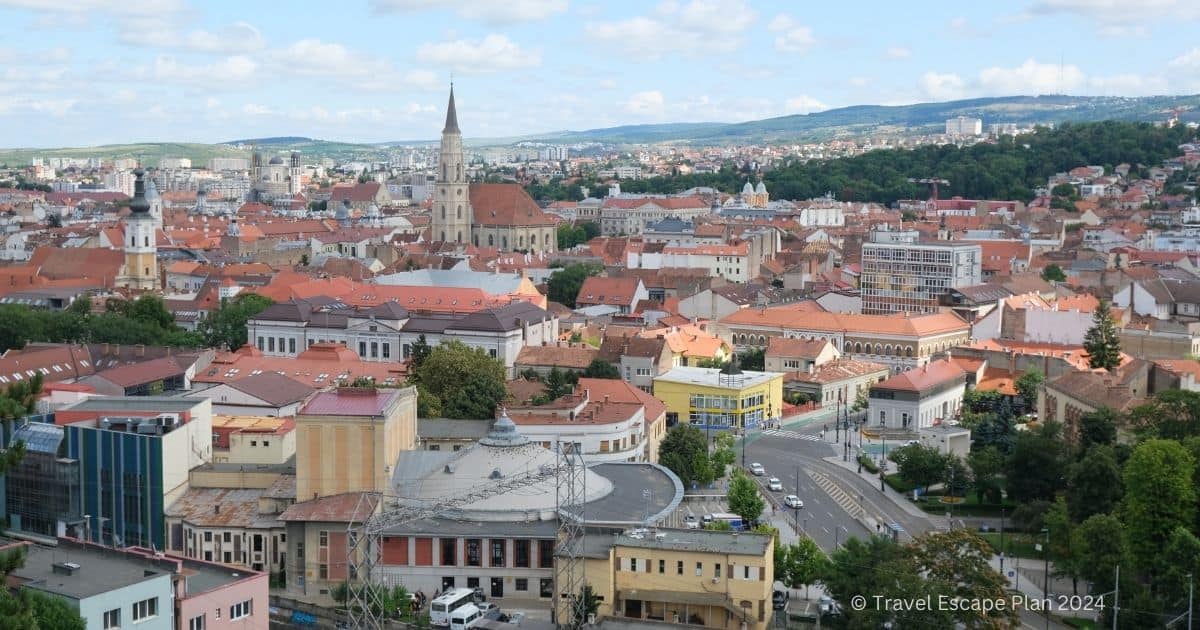
Our last stop on our Romania itinerary was Cluj-Napoca.
I had never heard of Cluj-Napoca before. We only added it to our trip because it had an airport with flights to our next destination, but we really enjoyed our time there.
Turns out Cluj (as the locals call it) is considered the unofficial “capital” of Transylvania.
Like all the other medieval fortress cities, Cluj has a charming and colourful old town centre, but with a cool hipster vibe. The art scene here is thriving and there’s no shortage of trendy places to eat and drink.
Cluj is a convenient destination to reach and perfect for a weekend escape. I’m really glad we visited.
👉🏼 15 Things To Do In Cluj-Napoca, Romania’s Most Liveable City 👈🏼
More Places To Add To Your Romania Itinerary
We fell in love with Romania and left wanting to see more. Two weeks clearly wasn’t long enough!
Below is a list of places that were recommended to us but we didn’t have time to visit:
9. Timișoara
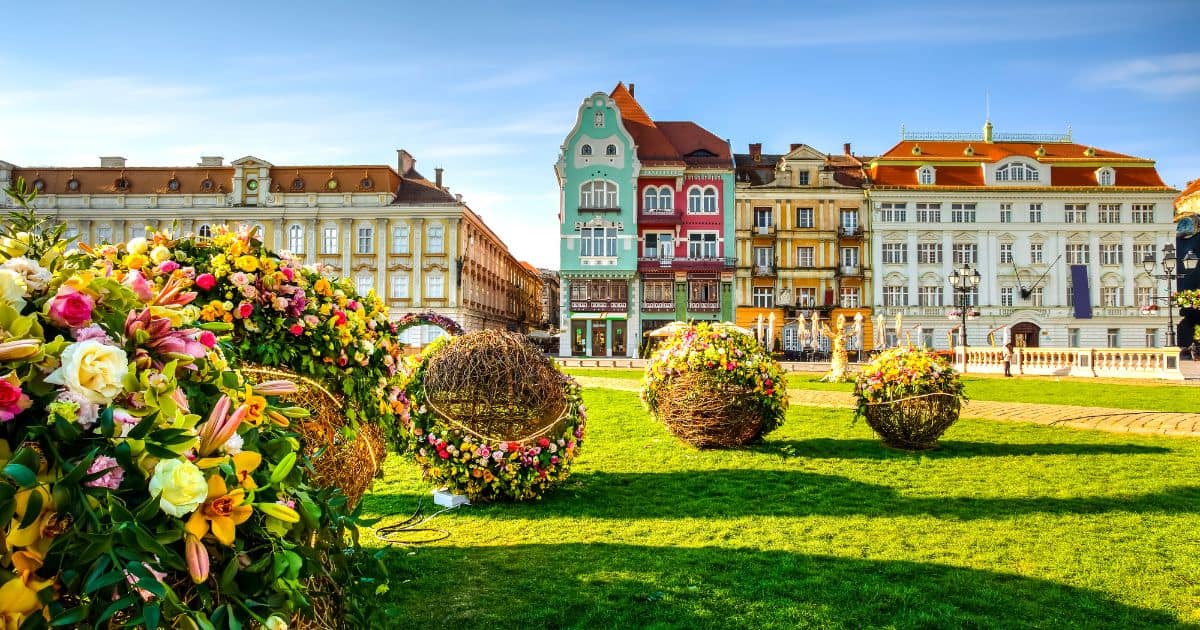
Timisoara is located in the Banat region, on the western side of Romania that shares a border with Serbia.
The city is known for being the birthplace of the 1989 Romanian Revolution.
It is also nicknamed “Little Vienna” or “City of Roses” because of its elegant architecture and abundance of parks.
10. Oradea
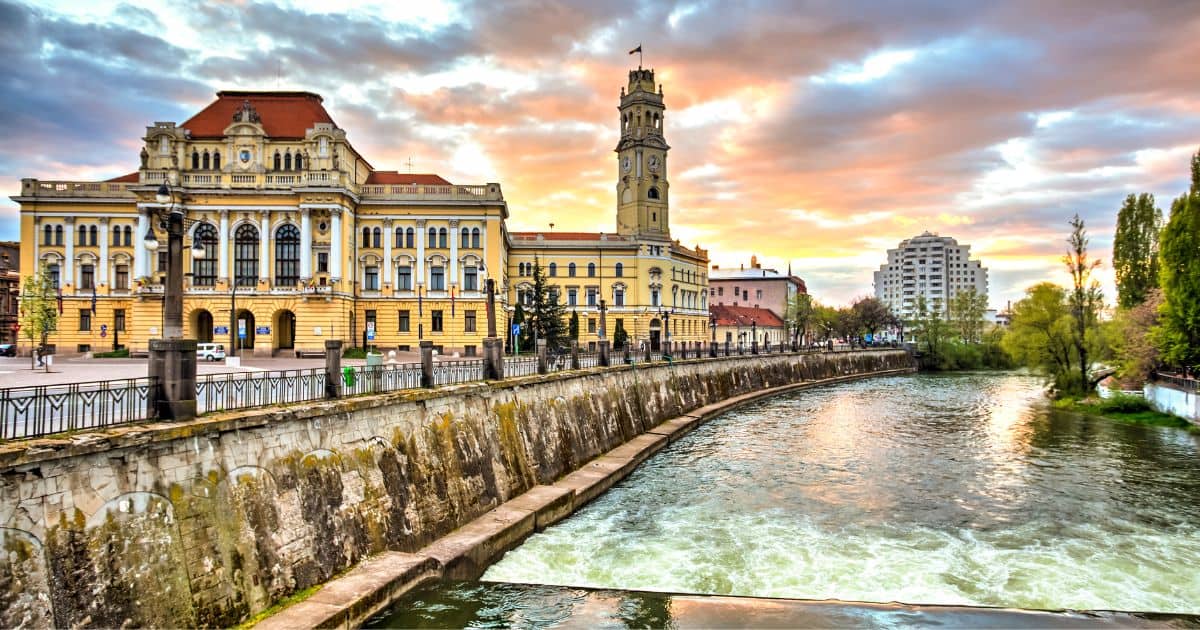
Oradea is located in the northwestern region of Crisana, next to the Hungarian border.
It’s a picturesque city decorated in colourful Baroque and Art Nouveau buildings.
Oradea is home to many natural hot springs and thermal spas and is the place to go for relaxation and rejuvenation.
11. Bucovina
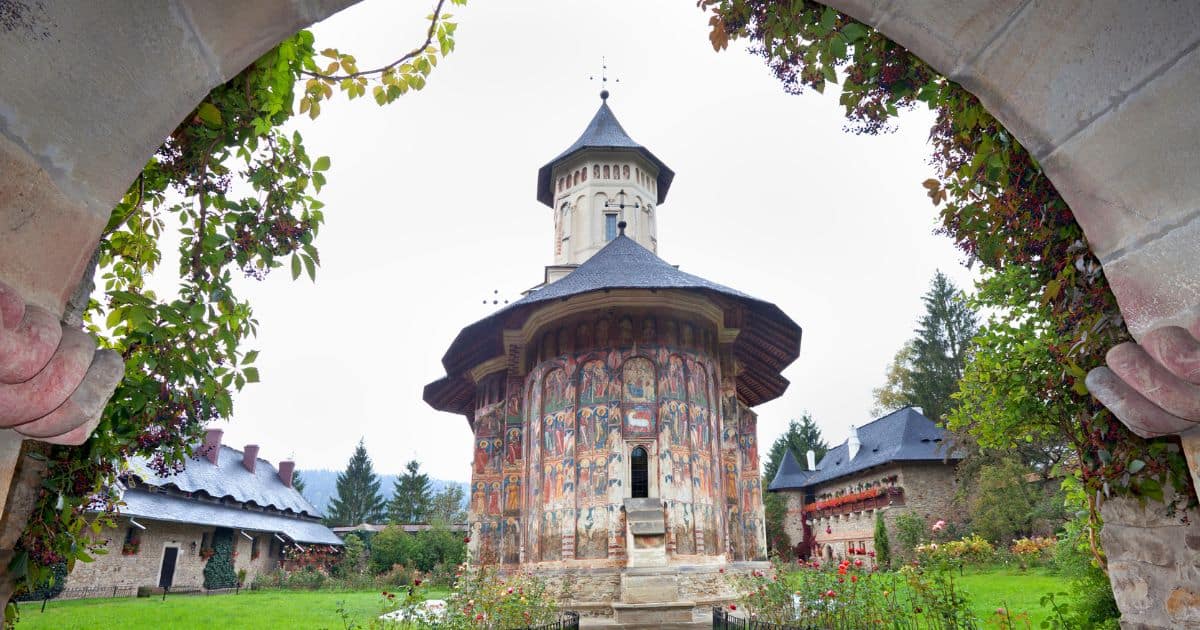
Bucovina is the smallest region in the northwestern part of Romania, but what it lacks in size, it makes up for in natural beauty.
The main attractions here are hiking and visiting the painted monasteries that are covered in Byzantine murals from head to toe.
Like Maramures, traditional Romanian culture is very well-preserved here, and Christmas and Easter are a great time to visit to join in the folk celebrations.
12. Danube Delta
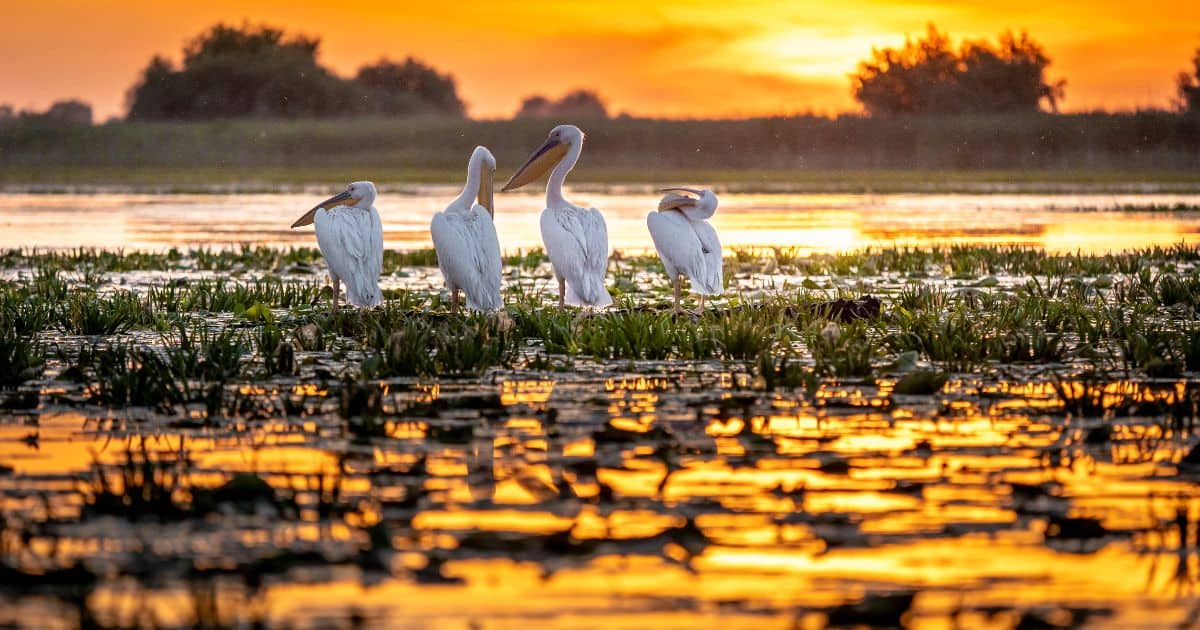
The Danube Delta is where the Danube River (the second-longest river in Europe) empties into the Black Sea.
The UNESCO World Heritage site is made up of a network of canals, lakes and marshes, and home to many bird, fish and plant species.
⚡️ TIP: April to September are the best months to observe wildlife.
The Danube Delta is best explored by boat from the town of Tulcea. You’ll also need to purchase a Visitor’s Permit and be sure to pack mosquito repellent.
13. The Black Sea Coast
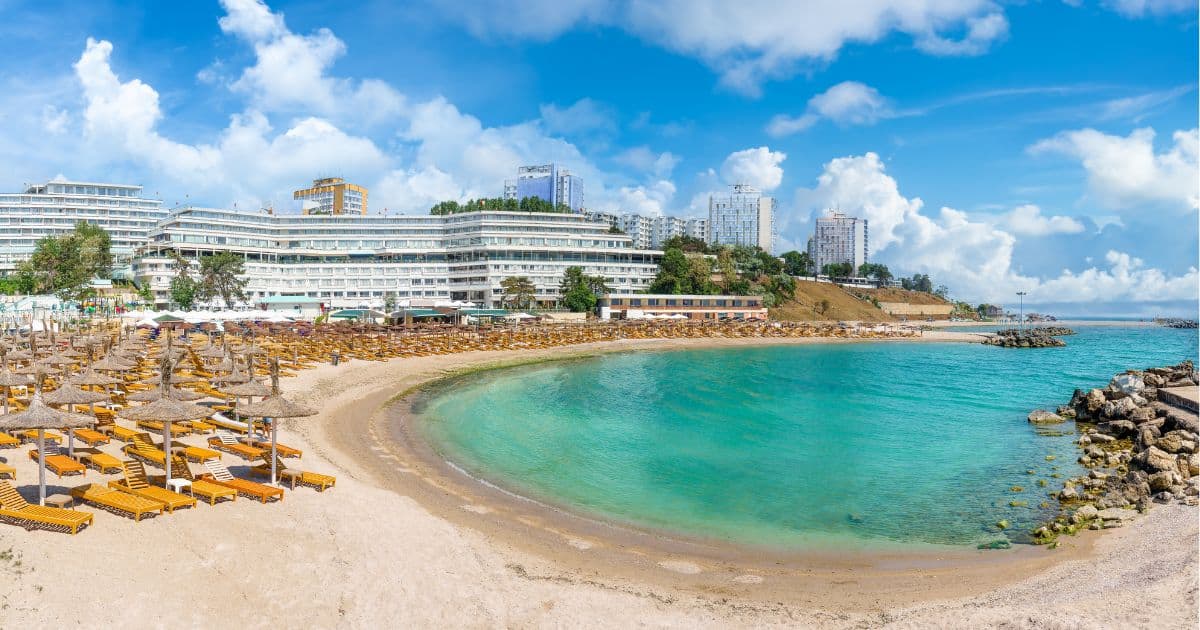
The Black Sea Coast is a 150 kilometre stretch of golden sandy beaches along the east side of Romania.
It is made up of many beach towns.
- Mamaia, aka the “Pearl of the Romanian Riviera”, is the most popular with its luxury beach clubs.
- Constanta, the largest city in the area where you’ll find ancient Greek ruins.
- Eforie Nord and Mangalia are known for their mud bath spas.
- Head to Vama Veche or 2 Mai for bohemian beach vibes.
In Summer, with many destinations in the Mediterranean becoming increasingly overcrowded and expensive, the Black Sea Coast is an affordable European beach holiday alternative.
Romania Itinerary: Exploring Romania by Car
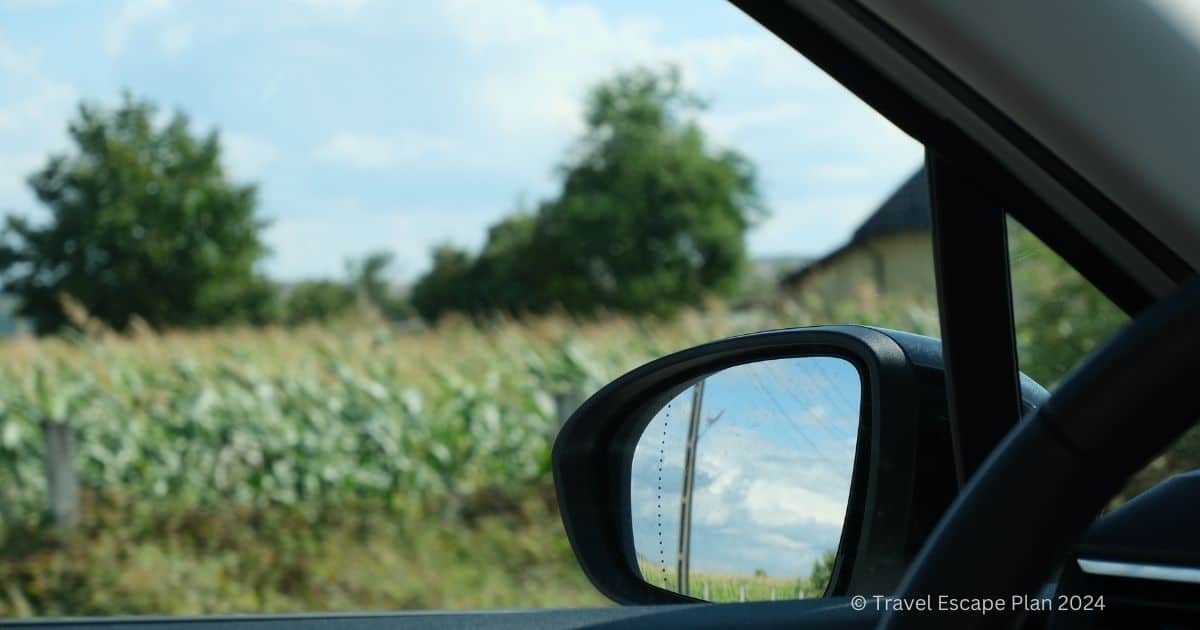
To drive or not to drive?
The answer to this question depends on the places you plan to visit on your Romania itinerary, your budget and your travel preferences.
- If you’re sticking to the major cities and the main tourist route – you’ll get by fine with the public bus and train connections.
- If you’re hoping to explore the countryside, remote villages, national parks for hiking, and the Transfagarsan Highway – a car will be more convenient.
The Advantage of Driving
Driving is a great way to enjoy the scenic landscapes and gives you the flexibility to explore the country at your own pace.
Our Road Trip Experience in Romania
After reading many articles on the internet warning us about the bad road conditions in Romania, we were prepared for the worst.
But apart from the odd pothole, the roads were fine! The highways are well-maintained.
Our Top Tips for Driving in Romania:
- Remember, Europeans drive on the right side of the road 🙂
- Beware of aggressive drivers. Some people drove faster than the maximum speed limit and tried to overtake us, even on a narrow road.
- The highways tend to weave through small villages, so pay extra attention to the signage as speed limits can change very suddenly.
- We encountered stray dogs, donkeys and livestock on the road (and even some bears on the Transfagarasan Highway), but it was never a problem. Just slow down, let them pass and continue driving when it’s safe to do so.
- Avoid driving at night, especially in rural areas. There are limited streetlights which makes it difficult to see at nighttime. Our guide in Sibiu told us that there’s a problem with drunk drivers in the evening, even though driving under the influence of alcohol is illegal in Romania.
- Get car insurance for peace of mind!
Hiring a Car in Romania
You need to be at least 21 years old with a valid driver’s licence (or international driver’s licence) to hire a car in Romania.
We rented a car with Klass Wagen directly from Bucharest Airport.
We were happy with the car, and the free drop-off at the departure gates after we returned the car at 6:00 am was very convenient.
My only complaint is that they make you buy the expensive full car insurance if your credit card doesn’t have your FULL name on it. Initials, like J. Smith, won’t be accepted. It’s in the fine print, but a little bit cheeky of the company I think!
Our Top Tips for Hiring A Car in Romania:
- Use Discover Cars to search for the best deals. For a small car during peak season, prices start from £110 for 7 days. Always double-check reviews of the car rental agency before you book.
- Most Europeans drive cars using manual transmission. If you’re an automatic driver, book in advance as auto-vehicles are limited and tend to be more expensive.
- Romania is a huge country so to save time, you can arrange a drop-off in a different city. Expect to pay a surcharge for the convenience though.
Car Expenses for a Two-Week Romania Road Trip
Romania is one of the cheapest places in Europe to hire a car.
We spent a total of £615 on car expenses during our two-week Romania road trip:
- Car rental: £140.98 (£10.07 per day)
- One-way rent fee: £124.83
- Early morning drop-off fee: £8.32
- Full Car Insurance: £236.75 (£16.91 per day)
- Petrol: £93.33
- Parking: £9.13
Visiting Romania: FAQs
What is the best way to get to Romania?
Romania is well-connected to other countries within Europe by plane, train and bus.
✈️ Bucharest Henri Coandă International Airport (OTP) is the best option for most international flights. Our favourite flight search engine is Skyscanner.
The most convenient airport will depend on the region you want to explore.
- For Transylvania – Bucharest, Cluj-Napoca, Brasov or Sibiu
- For Maramures – Cluj-Napoca
- For Bucovina – Suceava or Iași
- For the Danube Delta or the Black Sea Coast – Constanta
- For Western Romania – Timișoara or Oradea
🚍 We used Flixbus to book our bus tickets from Varna in Bulgaria to Bucharest.
🚂 We search for the best train connections using Rome2Rio.
When is the best time to travel to Romania?
The best time to travel to Romania depends on what you plan to see and do.
- In Summer (June-August) maximum temperatures can rise to 35°C, which is perfect beach weather for the Black Sea Coast. Keep in mind, this is peak tourist season and with a higher number of people, there will be higher prices.
- Winter (December-February) is ideal for snow sports in the Carpathian Mountains. You can also visit the Christmas Markets and join in the traditional celebrations.
- We prefer to travel during the shoulder seasons (April-May and September-October) when there are fewer crowds and the weather is more pleasant for hiking.
- The entire Transfagarson Highway is only open between June and October.
- Visiting the Danube Delta between April and September is the best time to spot wildlife.
How many days are needed in Romania?
As a fan of slow travel, I recommend a minimum of 7-10 days per region.
Romania is a big country and travelling long-distances is exhausting. We wished we had scheduled more rest days into our itinerary because we needed them!
If you’re short on time, all the cities we visited, on their own, make ideal destinations for a weekend getaway.
Is it expensive to travel to Romania?
Compared to Western Europe, we found Romania to be quite budget-friendly.
We are mid-range budget travellers.
As a couple, here’s what we spent during our two-week road trip in Romania (excluding car expenses, mobile data & travel insurance):
- Accommodation: £602.79 ($37 per day)
- Public Transport & Uber Rides: £31.18
- Food & Drink: £307.83 (£20 per day)
- Groceries: £134.94
- Activities & Entertainment: £61.03
TOTAL SPEND : £1137.77 (£71 per day)
Is Romania a safe country to visit?
We felt completely safe in Romania.
However, as with any travel destination, remain vigilant and be aware of your surroundings. Pickpocketing can happen in Europe, especially in crowded tourist hotspots and public transport areas.
For peace of mind, do your research on common scams and neighbourhoods to avoid in each city before you arrive.
Final Thoughts: Romania Itinerary
We LOVED Romania! The cities are charming and colourful. The landscapes are idyllic. The people are friendly. The food is delicious.
My top 3 highlights were the Transfagarsan Highway, Brasov & hiking in Maramures.
A couple of things I would have done differently is spend longer in each place. Like I said, driving long-distances is exhausting, and sometimes we felt a little rushed trying to make it to the next place before dark.
I would have also loved to spend a night along the Transfagarsan Highway. We discovered so many tranquil forest and lake-side accommodations off the highway that didn’t come up in any of our online research.
We really can’t wait to come back and explore it all!
Check out my other Romania Travel Guides 😊
- 15 Things To Do In Bucharest, Romania’s Underrated Capital
- 19 Things To Do In Brasov, My Favourite City In Romania
- 10 Things To Do In Sibiu, Romania’s Capital of Culture
- 12 Things To Do In Sighisoara, Romania’s Real-Life Fairytale
- 3 Days In Bucharest: An Itinerary For Exploring Romania’s Capital
- Day Trips From Bucharest: 5 Easy Places To Visit
- 15 Things To Do In Cluj-Napoca: Romania’s Most Liveable City